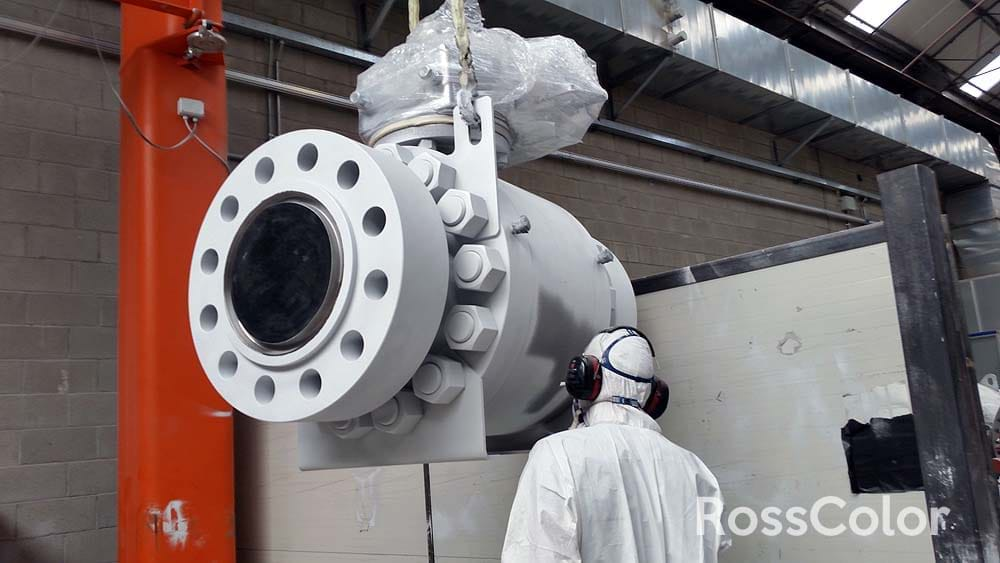
METAL PLATING
We perform metal plating for the following APPLICATION SECTORS: Bridges and viaducts - Dam enclosures, closures, hulls and upper structures for ferries and ships - Large size tanks - Valves - Petrochemical and all elements that require leaving some surface areas uncovered.


TYPES OF METAL PLATING:

ALUMINUM (TSA)
The most commonly used, in particular on stainless steel and special alloys. Offers excellent anti-corrosion protection, also at high operating temperatures (>120°C)
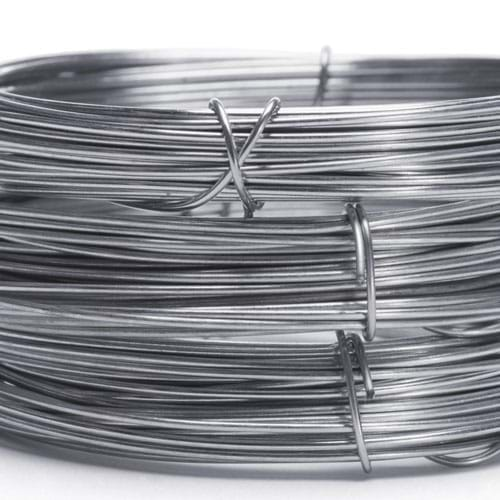
ZINC (TSZ)
offers excellent anti-corrosion protection, on steel it is effective in all environments with a pH between 6 and 12.5
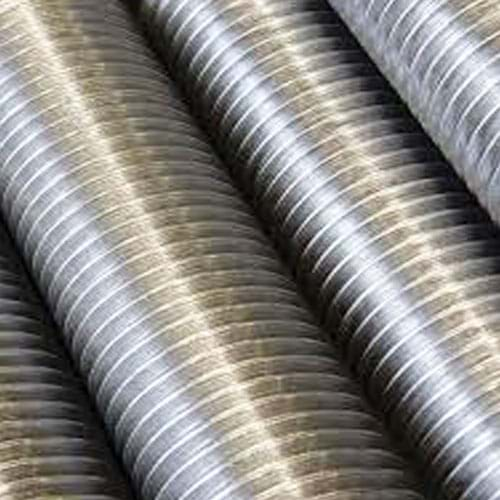
STEEL
since it is a stainless alloy it offers elevated superficial hardnes

COPPER
offers excellent electrical/thermal conductibility. With 1.7 µΩ•cm of resistivity, today it is still the most appropriate material for interconnections
METAL PLATING WITH ALUMINUM

ADVANTAGES of TSA
- the application is performed only once
- it does not require drying time
- it offers the best resistance to abrasion
- it is suitable for high operating temperatures
SPRAY METAL PLATING INSTRUMENTS
Spray metal plating consists of spraying the molten metal on the surface to be treated in the form of droplets, using a metal plating torch, which may be oxyacetylene flame or electrical arc type.
- It offers wide spectrum and long duration cathodic protection in corrosive environments
- It is easily covered with sealants and additional coats of paint thanks to its intrinsic surface roughness
- It produces no drops or malformations, so the aesthetic characteristics of the treated surface are unaltered
- Direct application of the final varnish, without any pretreatment required

OXYACETYLENE FLAME:
The metal, derived from wire or powder, is melded by the oxyacetylene torch and sprayed on the pretreated surface. During the process, the item is cooled using compressed air jets, offering the advantage of preventing deformities in the item due to thermal dilation. The metal plating process is then followed by sealant, the purpose of which is to offer protection to the coating, which by nature is porous.
ELECTRIC ARC (EA):
The molten metal is sprayed through compressed air or insert gas with a very high intermolecular cohesion factor. The coating is highly resistant to wear and corrosion. Simultaneously spraying different materials (e.g. zinc and aluminum on steel) allows for the formation of pseudo alloys that provide excellent anti-friction and sliding qualities. The item can be painted immediately after spraying.

We have NACE certified staff members.
The NACE International Institute (NII) supports control of corrosion, issuing certifications that promote public safety, protect the environment and reduce economic impacts caused by corrosion.

We have internal certified FROSIO inspectors.
FROSIO, the internationally recognized Norwegian Coating Inspector Institution, certifies obtainment of quality requirements for treatment of surfaces and insulation inspectors.